

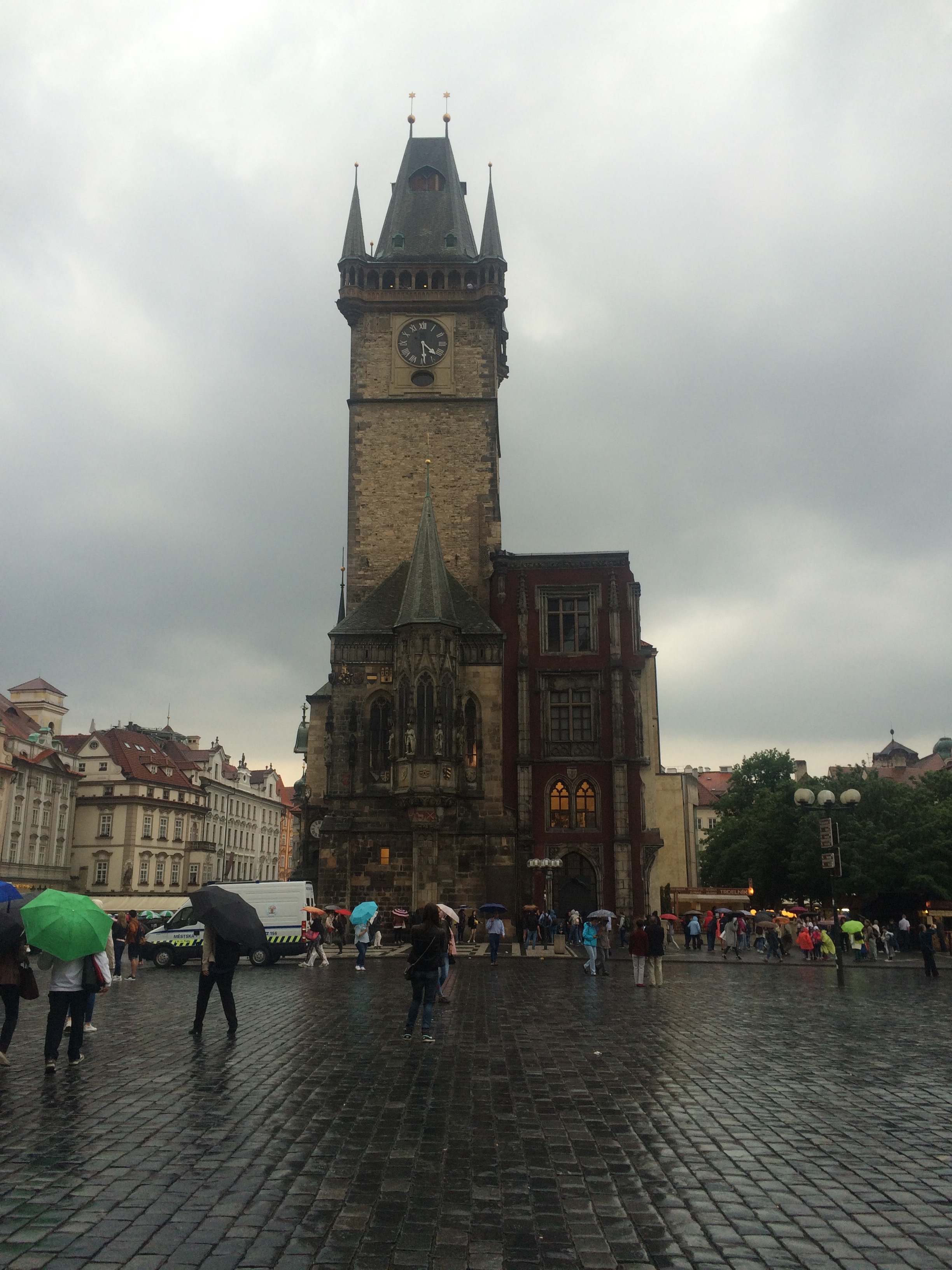
My year living in the Czech Republic was amazing and challenging. I loved exploring the country, learning about the Czech culture and teaching English. What was most intriguing was home etiquette and their holidays. Though they are not a very religious country, they have many churches and some of their traditions are based around religious holidays. Their most largely recognized traditions are name days, Christmas, and Easter.
Inside Czech Homes
Living in Prague, I noticed most people lived in apartments, with simple wooden floors. To keep the floors and their homes clean everyone is required to take their shoes off before entering the home. In the United States we love to smile and hug each other, do not do this with the Czechs. They feel no need to smile excessively and prefer a handshake or a headnod when greeting each other. If meeting someone for the first time or in a business context you can use the formal hello, “Dobrý den” (pronounced doebree den), but for an informal greeting it is common to hear a person use, “Ahoj” or “Čau” (pronounced ahoy and chow, respectively).
What surprised me the most though, wasn’t people’s lack of shoe wearing inside homes, but rather, what was inside Czech homes. Every home had a washing machine, but no dryer. Instead, people use metal drying racks to hang their clothes up to dry. Being used to huge American refrigerators, what shocked me was the size of Czech refrigerators; they are about half the size, if not smaller, than the ones in the United States. The Czechs are very clean and many take a shower every evening before going to bed.
A Day for Your Name
Everyday of the year has a name connected with it and is used as a cause for celebration for people who are named after that day. Like a mini-birthday, except it is for the person’s name. So most Czechs celebrate their existence on the day of their birth and on the day their name is associated with. Most people in the Czech Republic are named based on these days. There are more “traditional” Czech names that have no translation, like Vaclav (September 28), and there are more biblical ones, like Martin(November 11) and Petr(February 22 & June 29). You can even look up your own name day!
A Very Prague Christmas
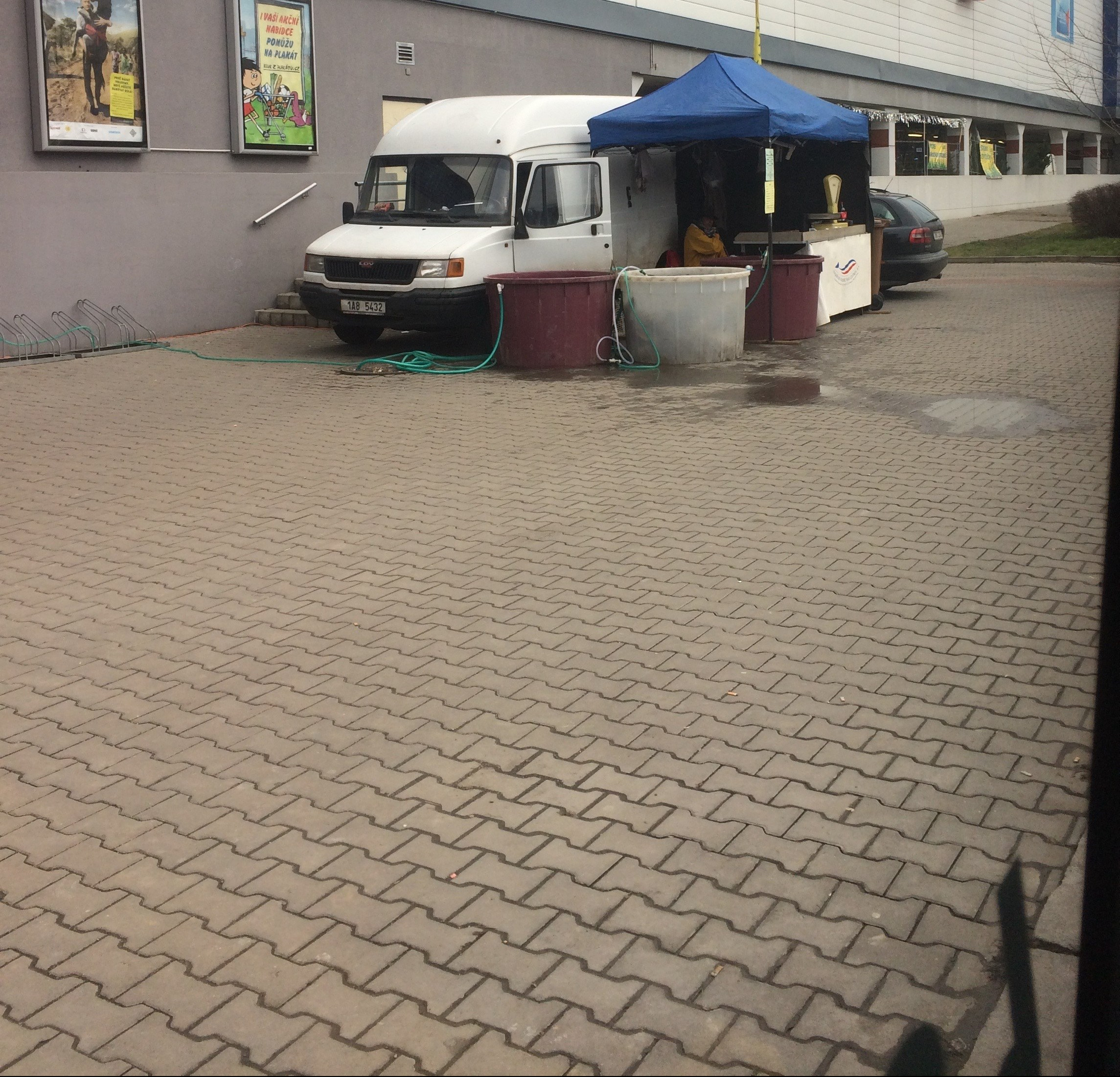
Czech Christmas traditions include eating fresh carp and potato salad, and of course opening presents on the evening of the 24th. A week or so before Christmas vendors with large plastic tubs show up on street corners and in front of grocery stores in every neighborhood in Prague. In these tubs are carp, lots and lots of carp. After buying the carp, they are kept in the bathtub until it is time to kill and eat them. People in the Czech Republic make breaded and fried fillets, as well as fish soup to eat with their potato salad. On Christmas they wait for the baby Jesus (Ježíšek) to come and bring presents for the children. If they are a religious family they will go to midnight mass.

Easter
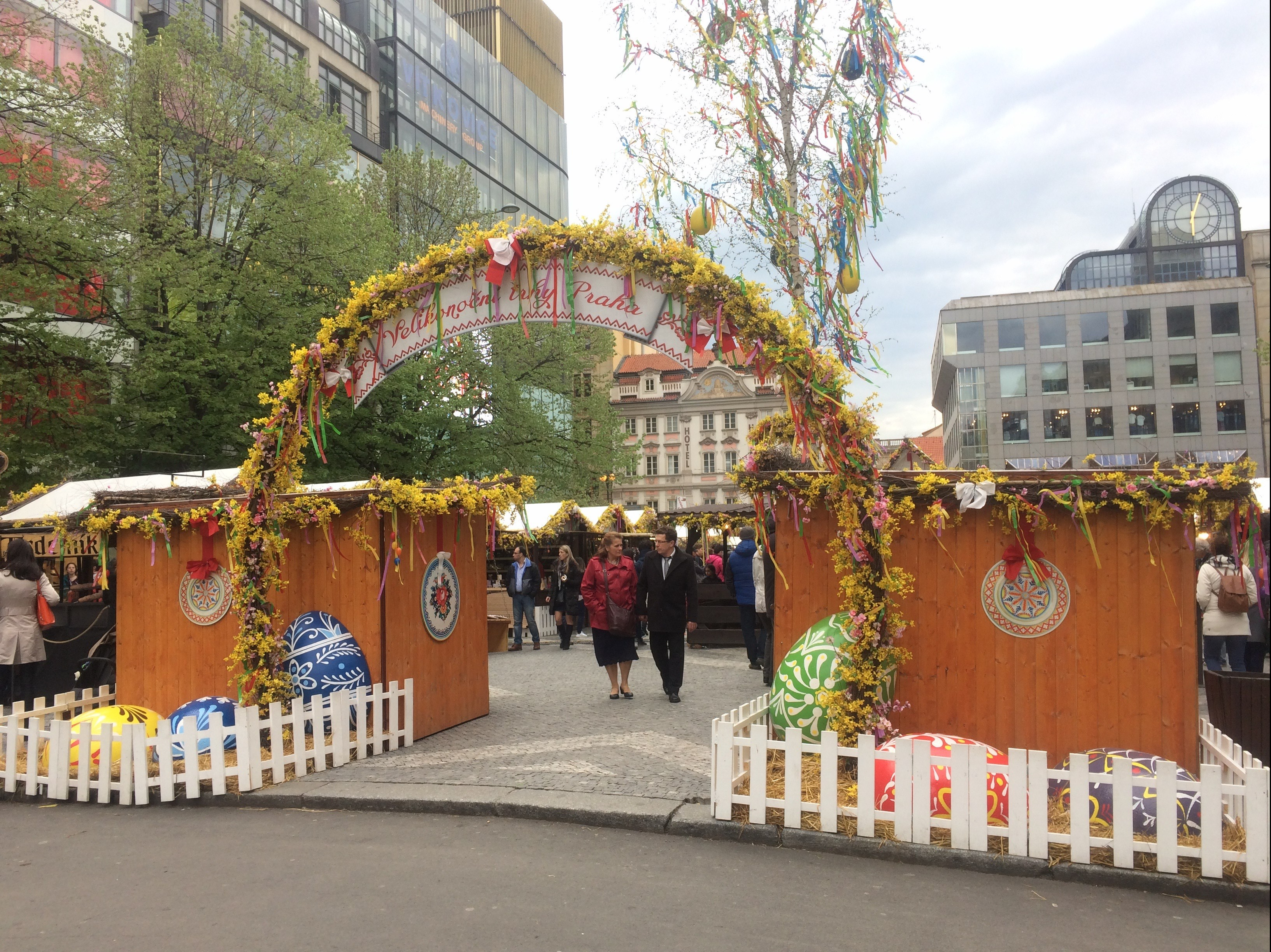
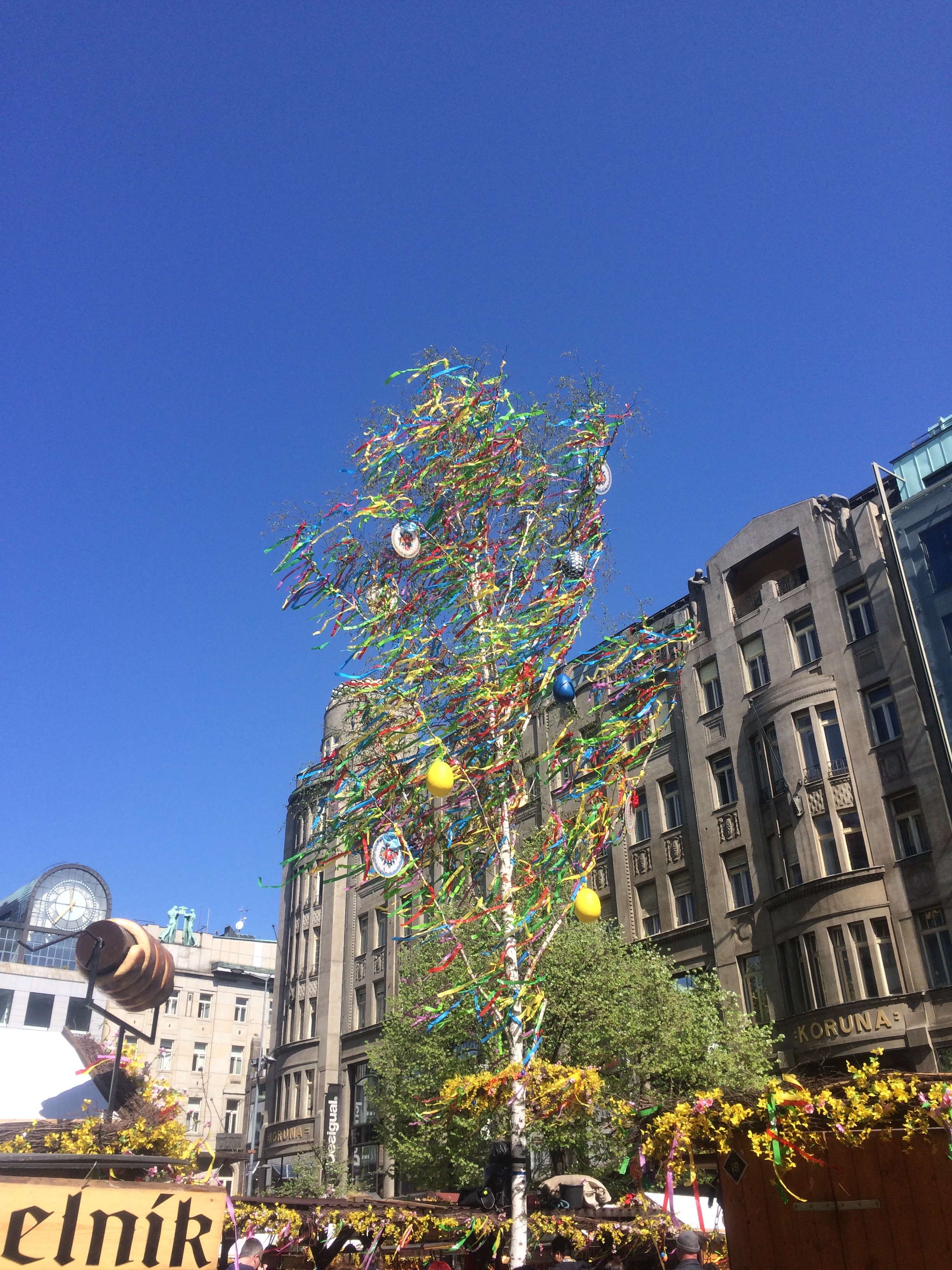
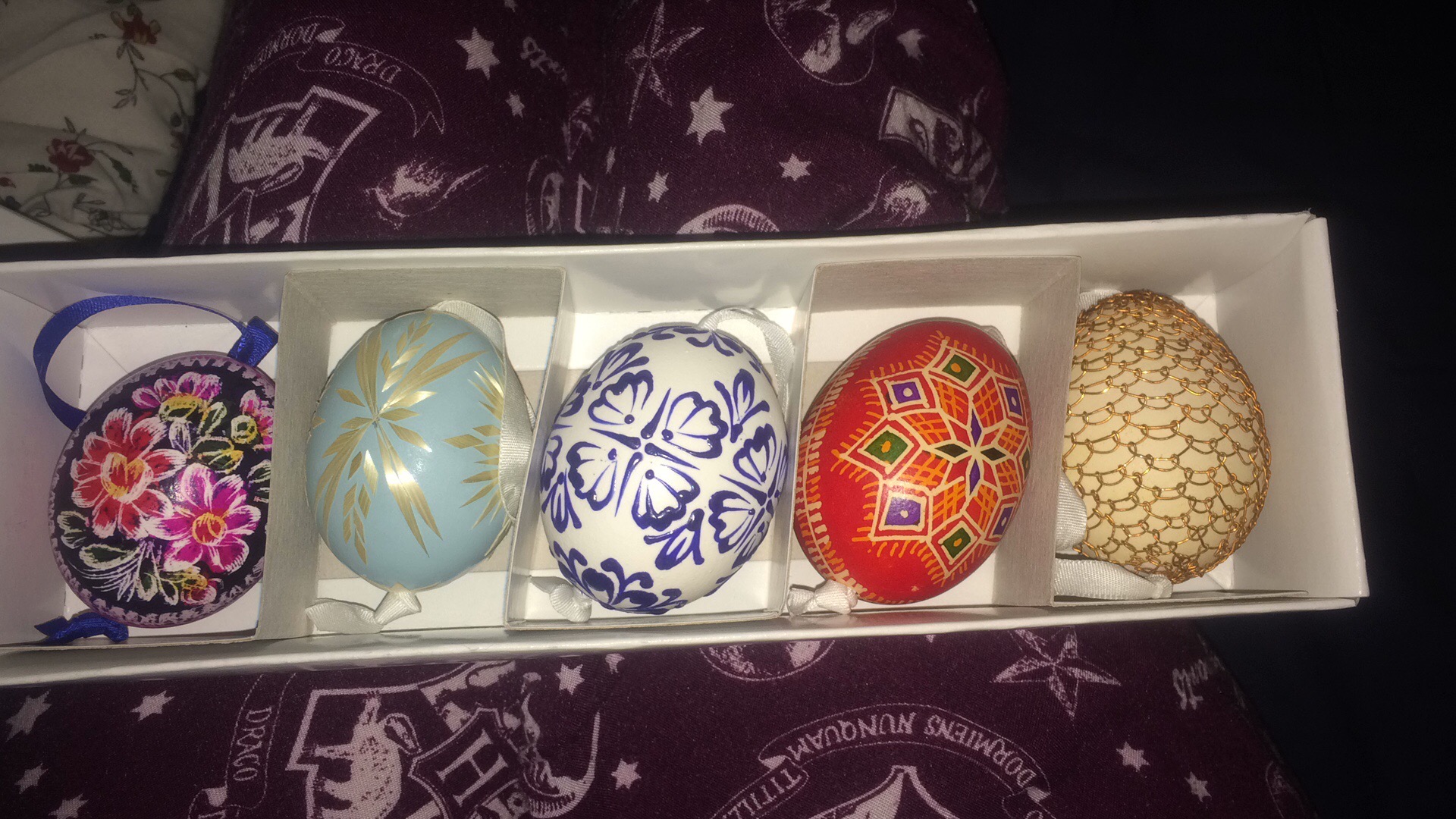
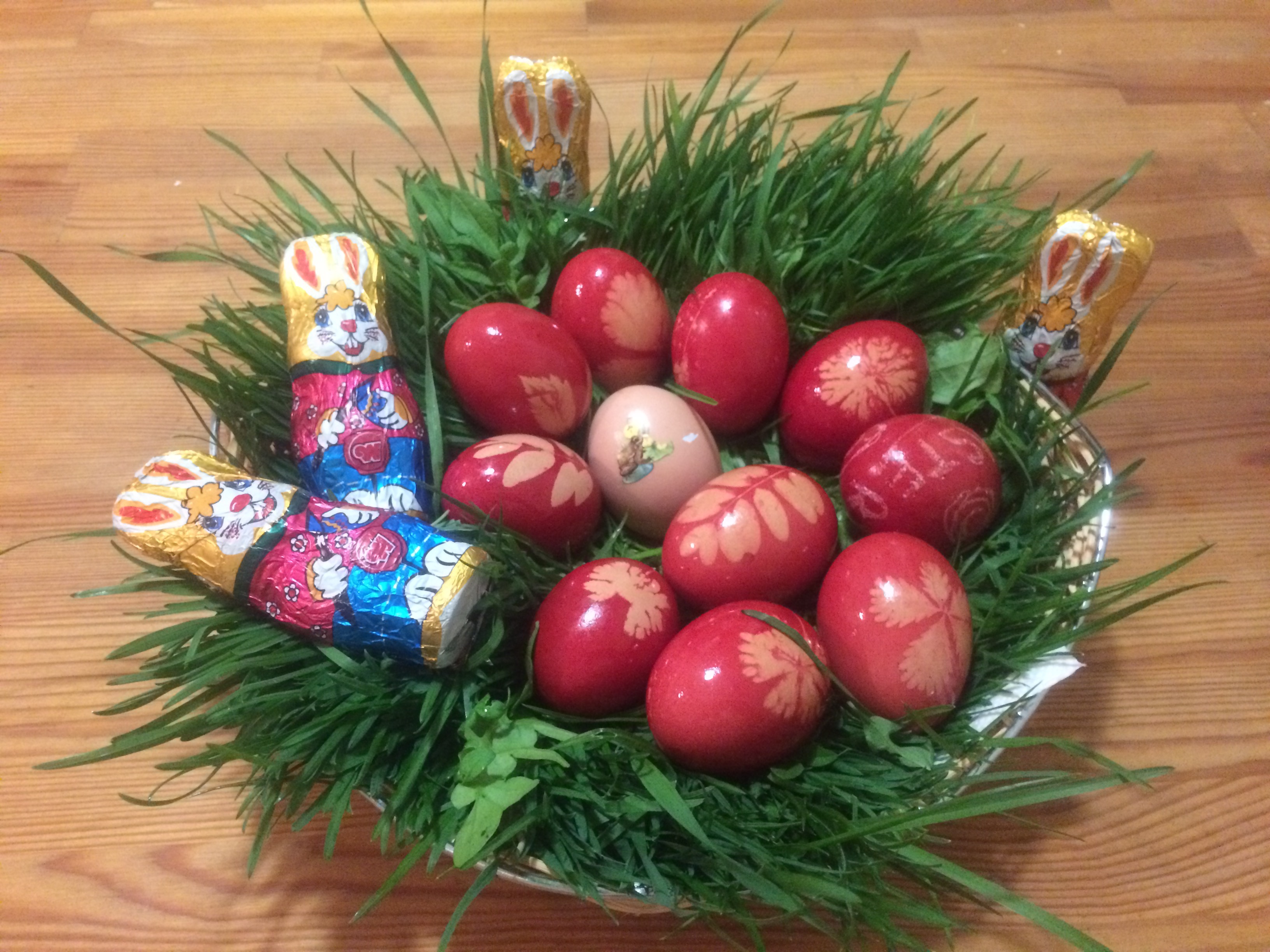
According some of my local students, Easter is a three day weekend, where most of the celebration takes place on Monday morning after Easter Sunday. Before Monday morning the boys and men purchase or make a switch of 8 thin willow branches that are braided together for use on Monday. The women and girls make decorated eggs and buy chocolate and ribbons. Then on Monday morning, before 12pm, the males walk door-to-door with their switches and knock. When the women come out the men hit them with the braided willow rods and the women tie ribbons to the willow and give out the eggs and chocolate they have. However, if the males come after 12 pm the women may choose to dump water on their heads. Although not everyone celebrates in this way, many choose to do so, mostly those who live in villages or smaller towns.
Kutná Hora
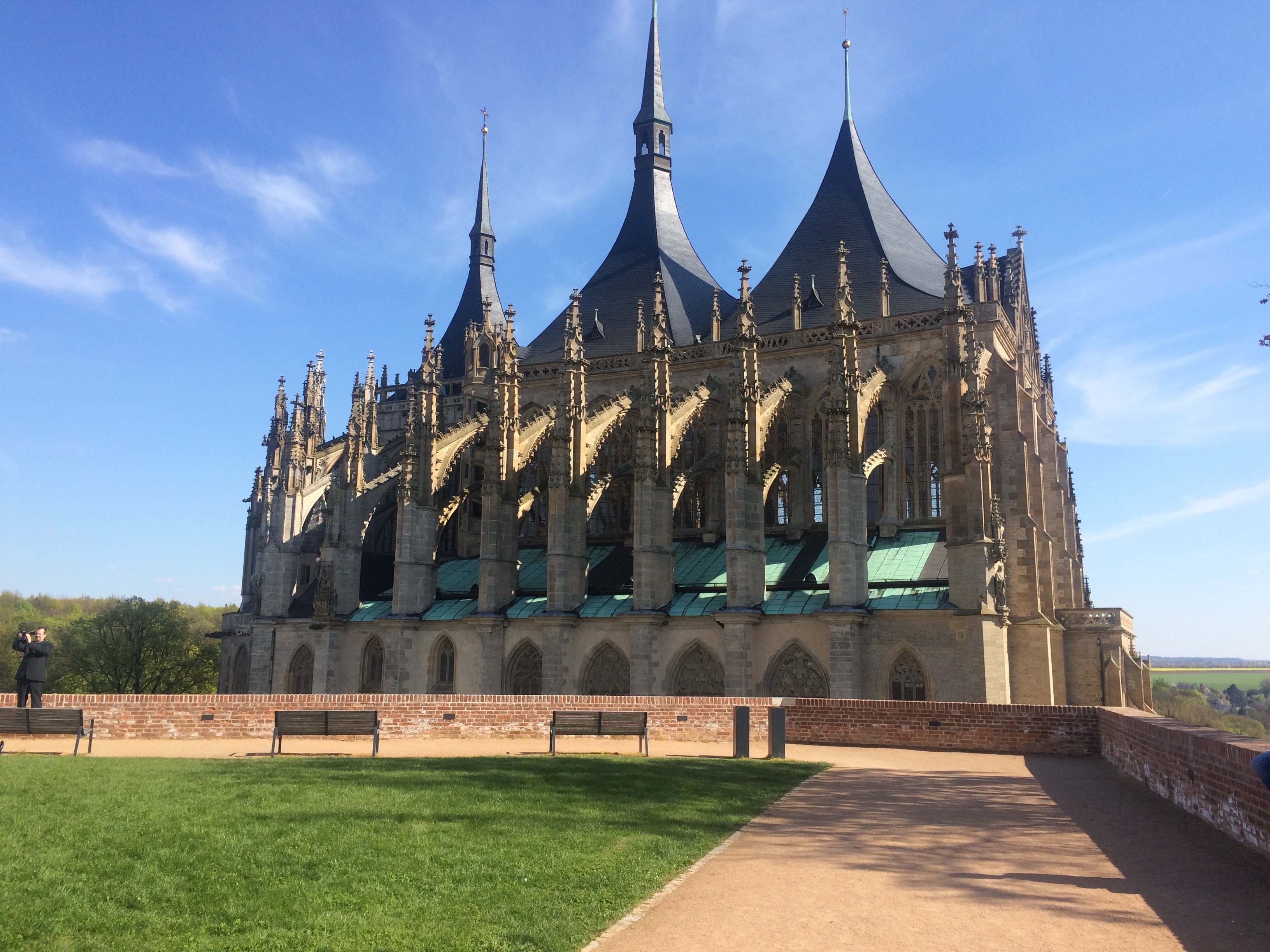
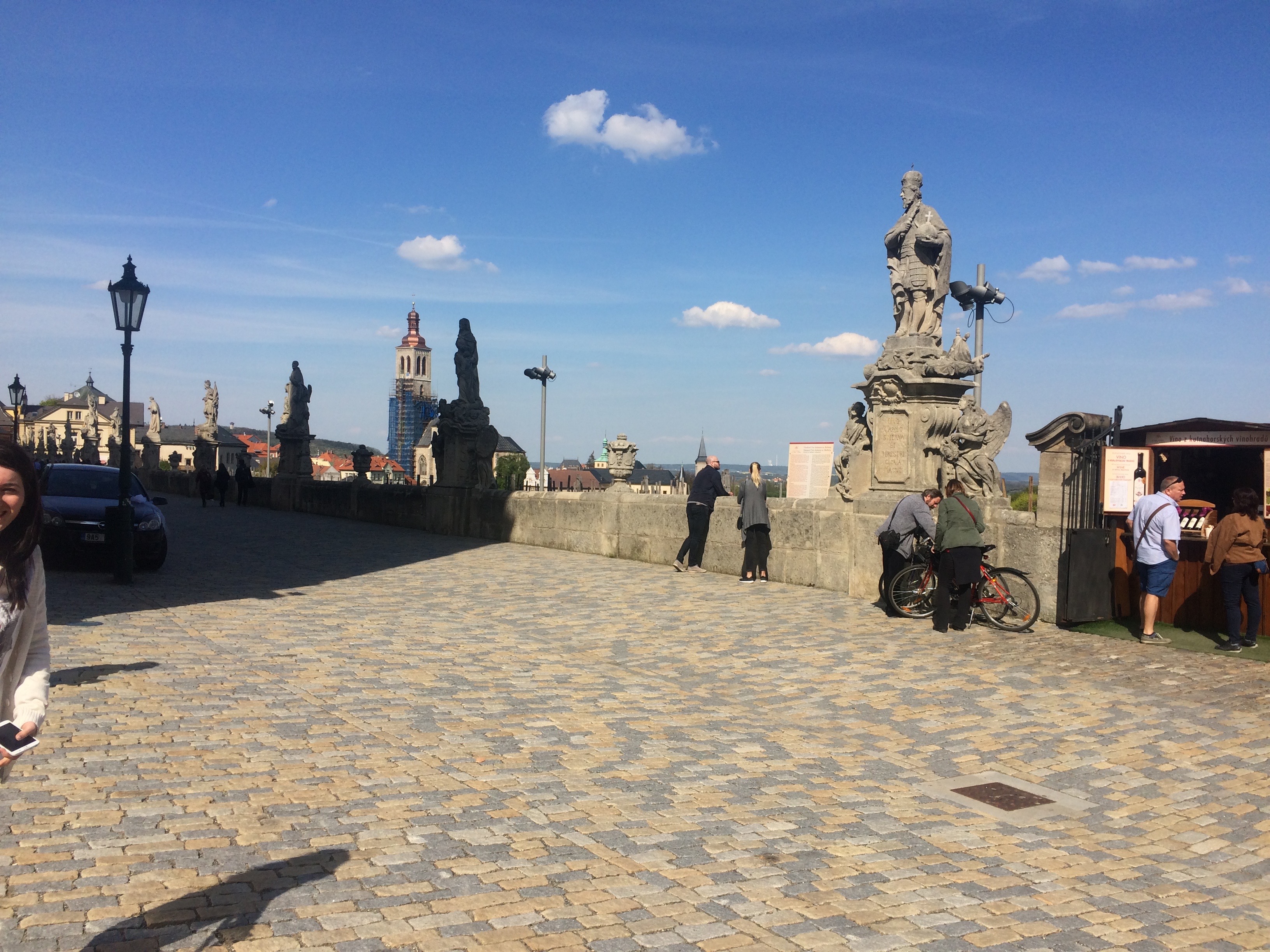
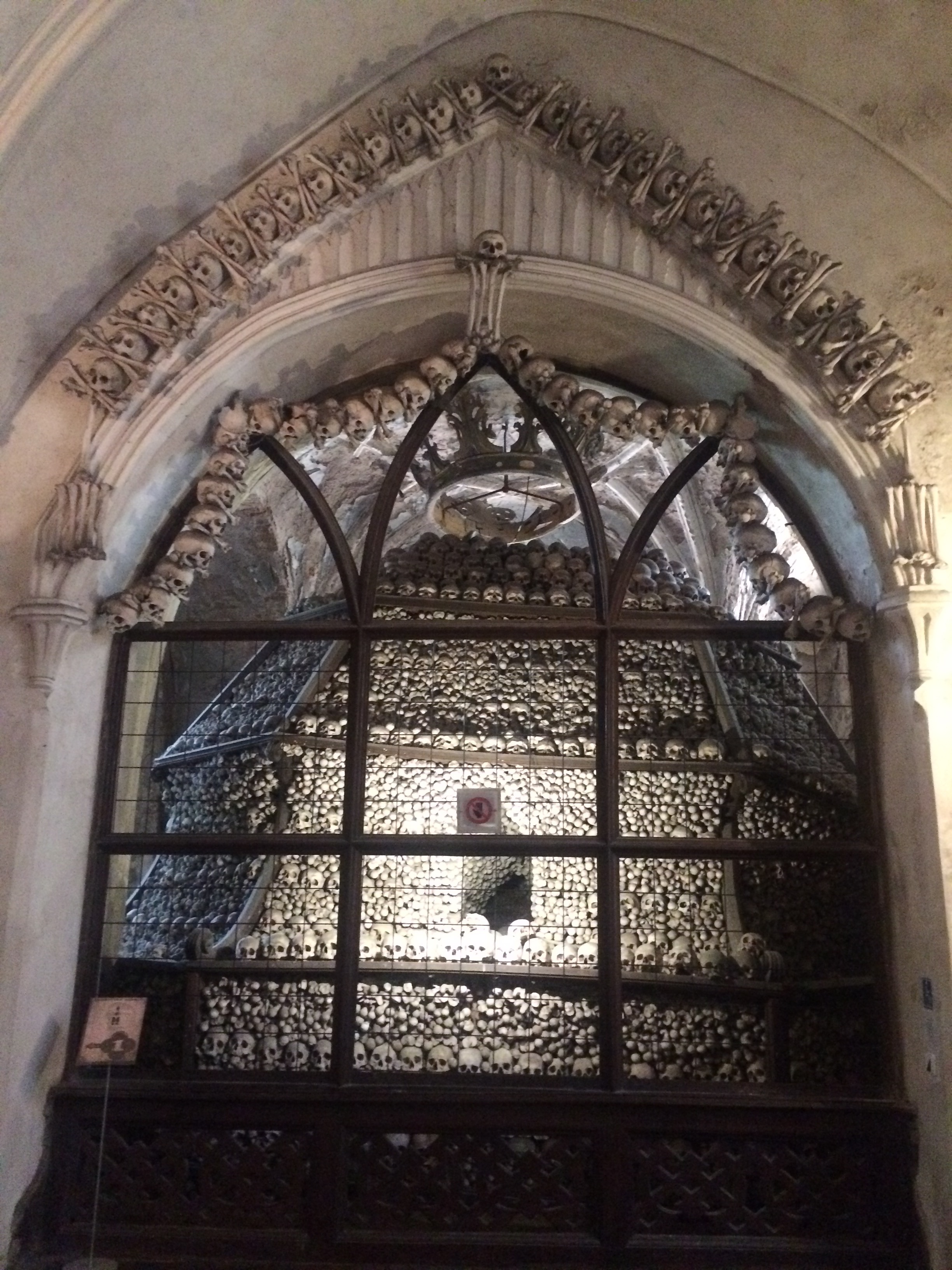
One of the most popular locations to go outside of Prague is Kutná Hora, which contains the Sedlec Ossuary (aka the Bone Church), and is well worth the visit. The whole town is on the UNESCO World Cultural and Heritage list. While the Sedlec Ossuary, a famous graveyard, is the most famous site in the area, the town should be a sightseeing destination on its own. Kutná Hora is a very small town with a beautiful church, old architecture, and small windy streets that all lead to the train station. I enjoyed exploring the tiny town and only wish I had more time to meander around.
Kutná Hora is an ideal day trip for those who want to escape the hectic city of Prague. The Church of St. Barbara, often called St. Barbara’s Cathedral, has an awe-inspiring exterior, beautiful frescoes and wonderfully carved confessionals. While the Ossuary is full of creepy structures made up of the excess skeletons of those who desired to be buried on sacred ground. Nothing is easier than buying a ticket from the central train station in Prague to Kutná Hora.
Insider tip: make sure the ticket stops at the second stop in Kutna Hora: the first stop is the Sedlec Ossuary, but to go to the Church of St. Barbara you need to get to the center of town.




Hluboká nad Vltavou
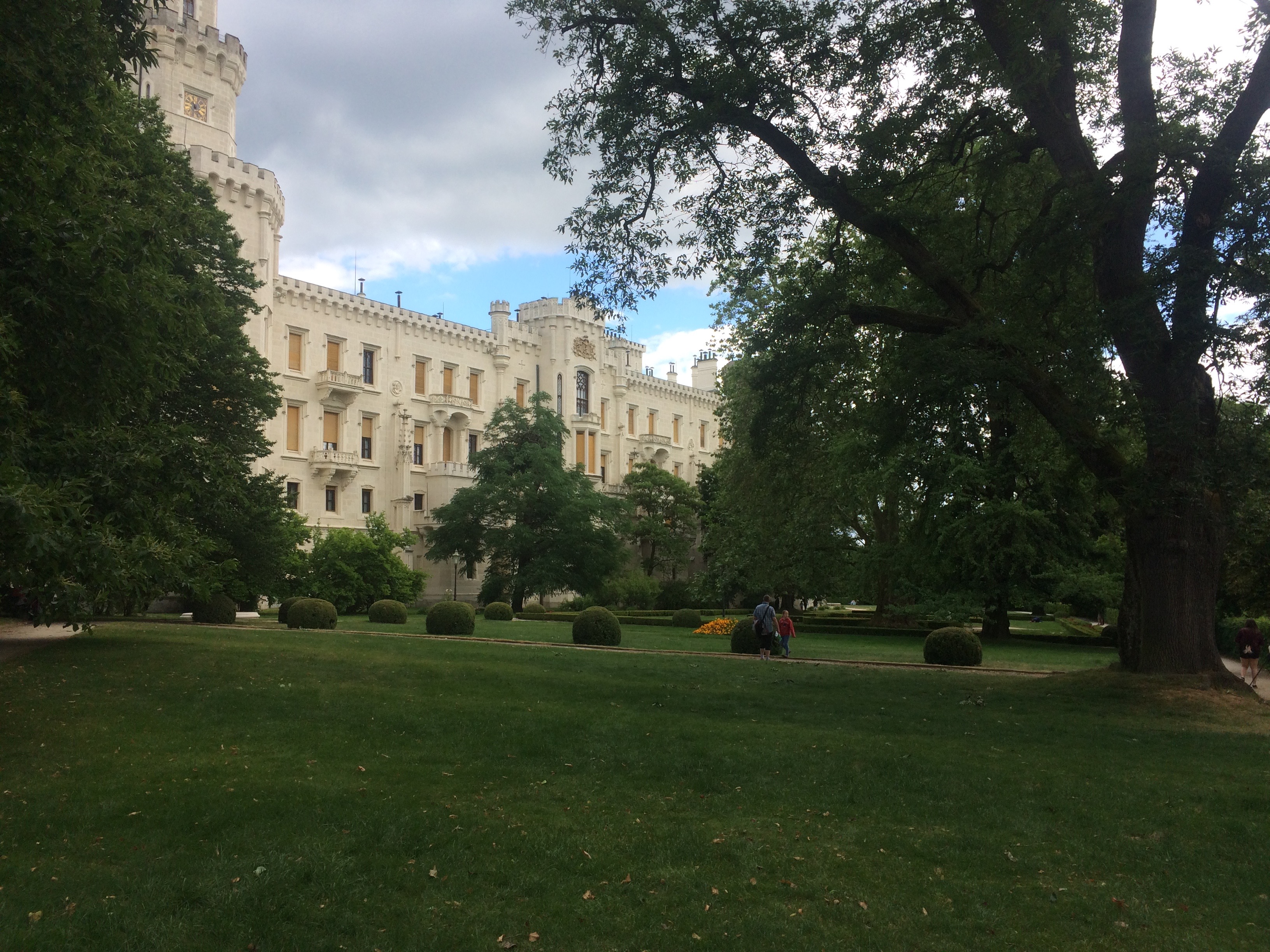
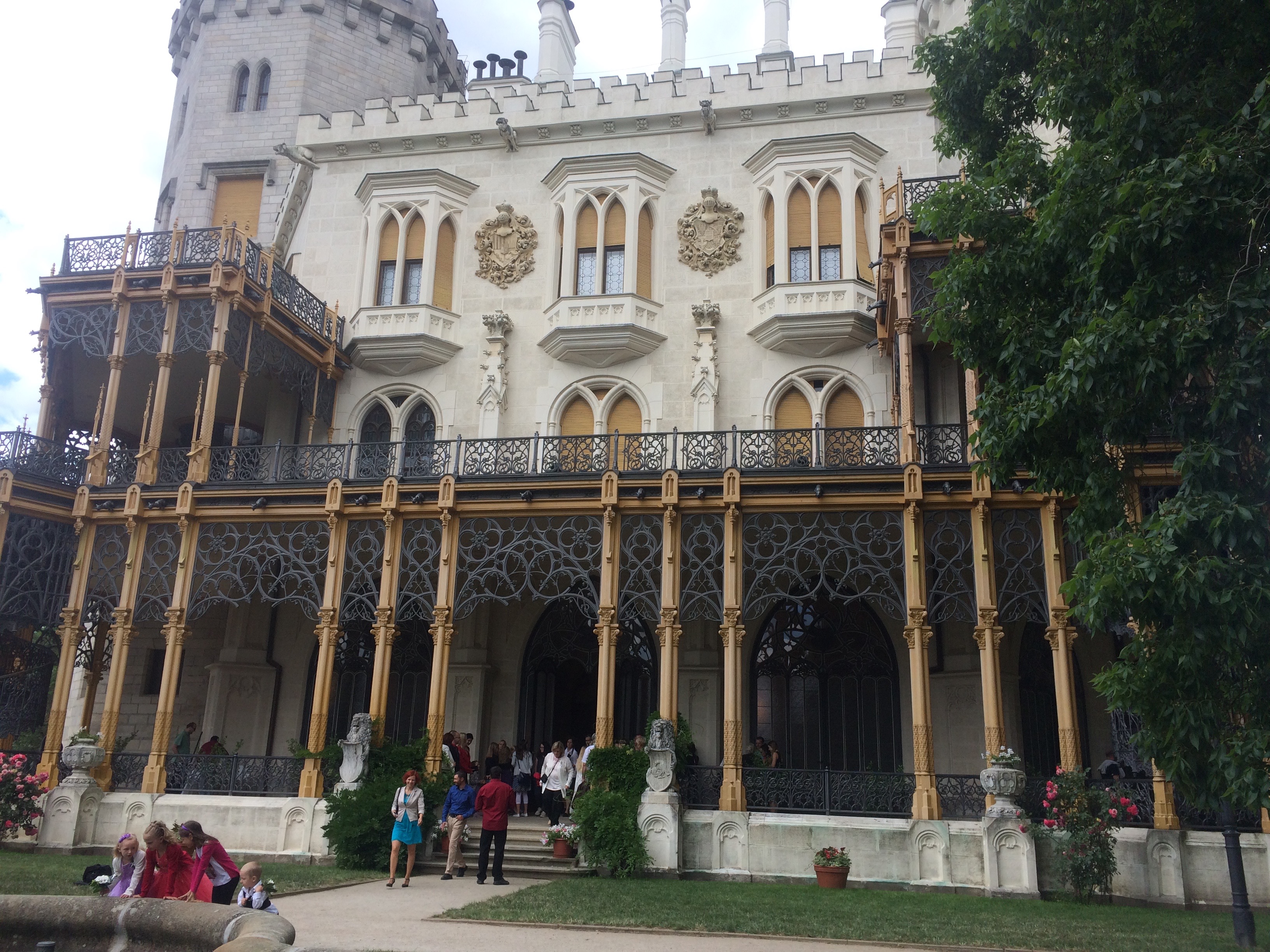
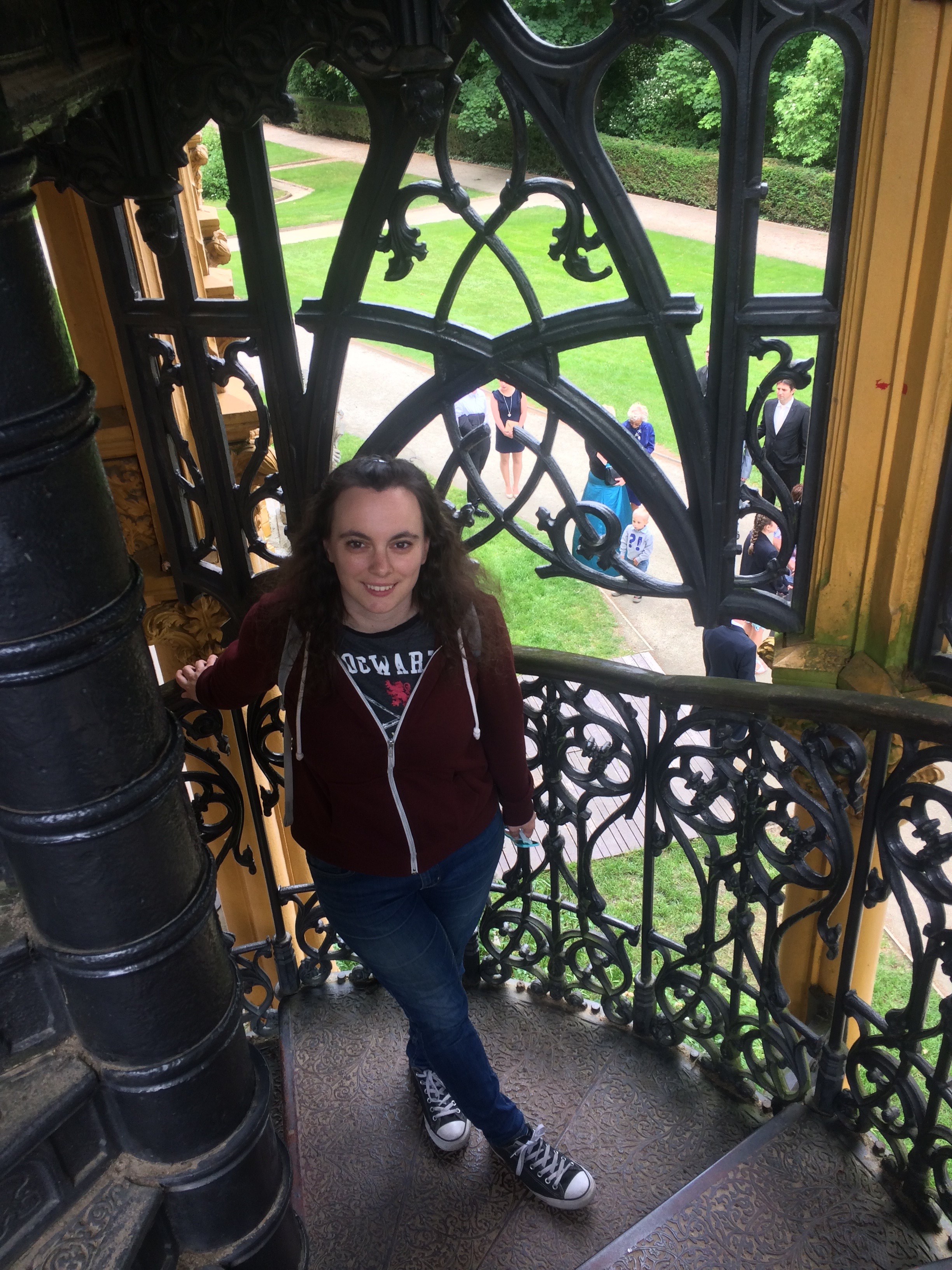
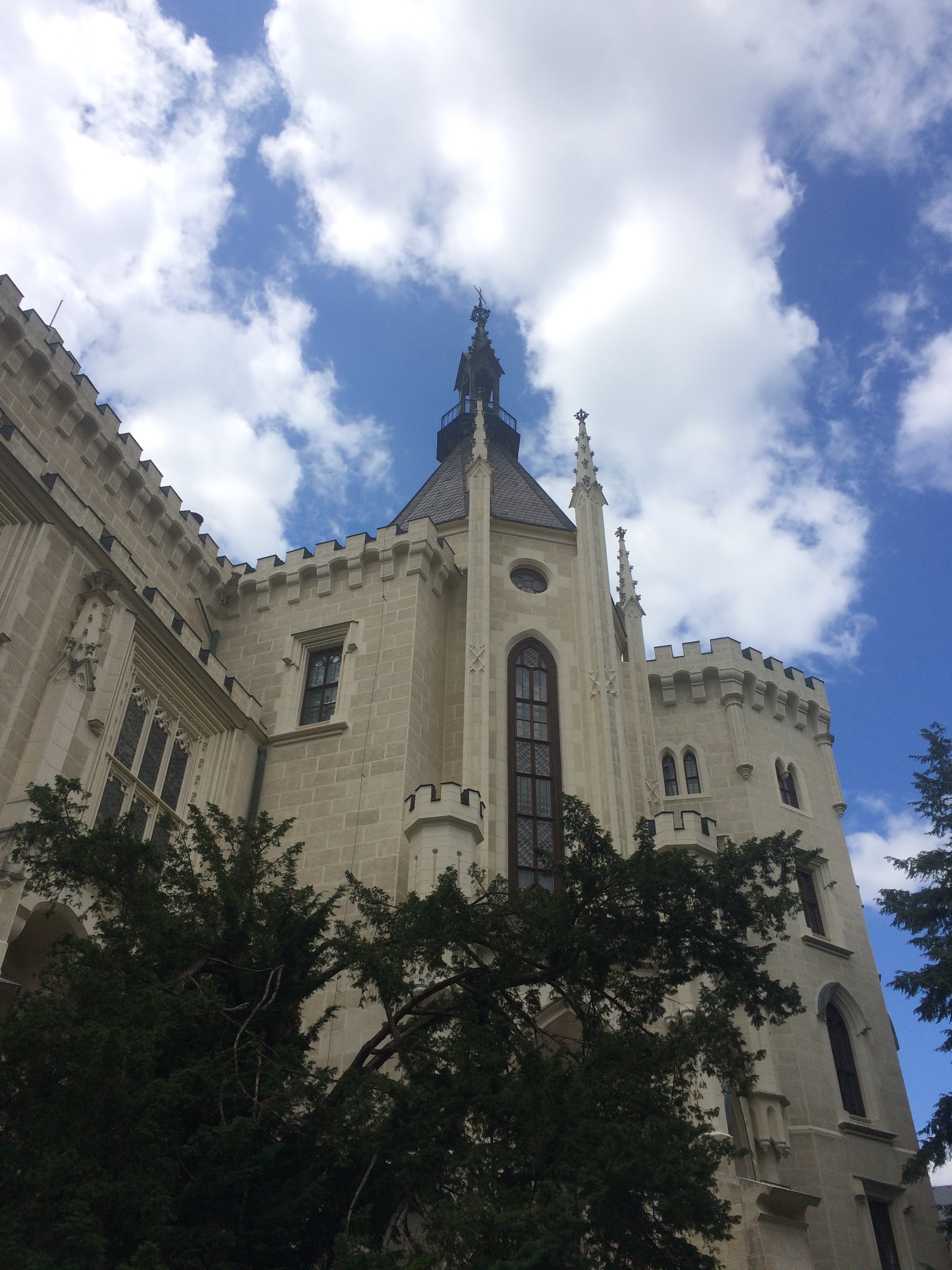
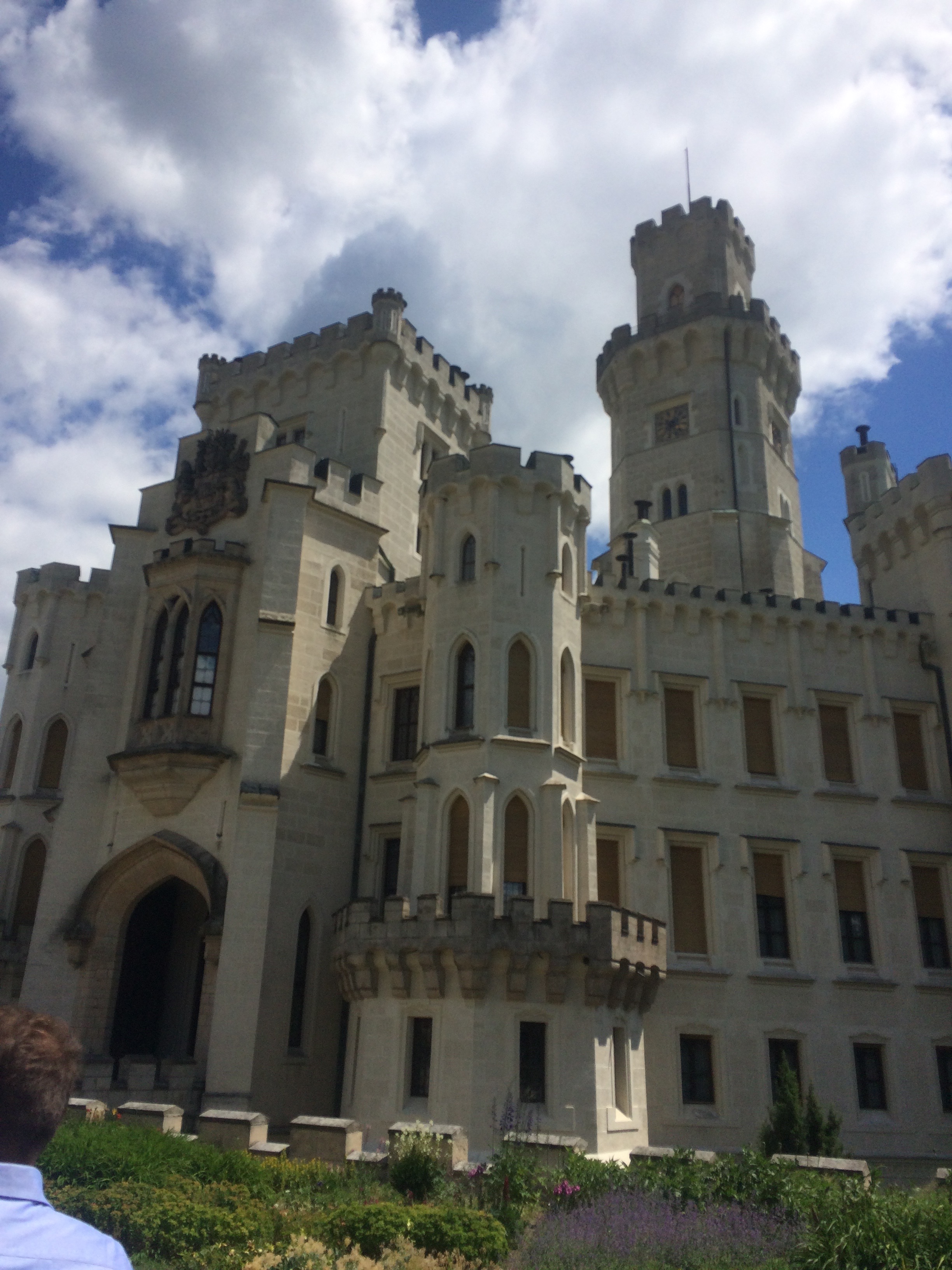
Considered one of the most beautiful castles in the Czech Republic, Hluboká Castle is a surprising château inspired by England’s Windsor Castle and decorated with a plethora of antler trophies hunted by the Schwarzenberg family, they each state who hunted them and when. It is understandably a very popular location for weddings and photos.
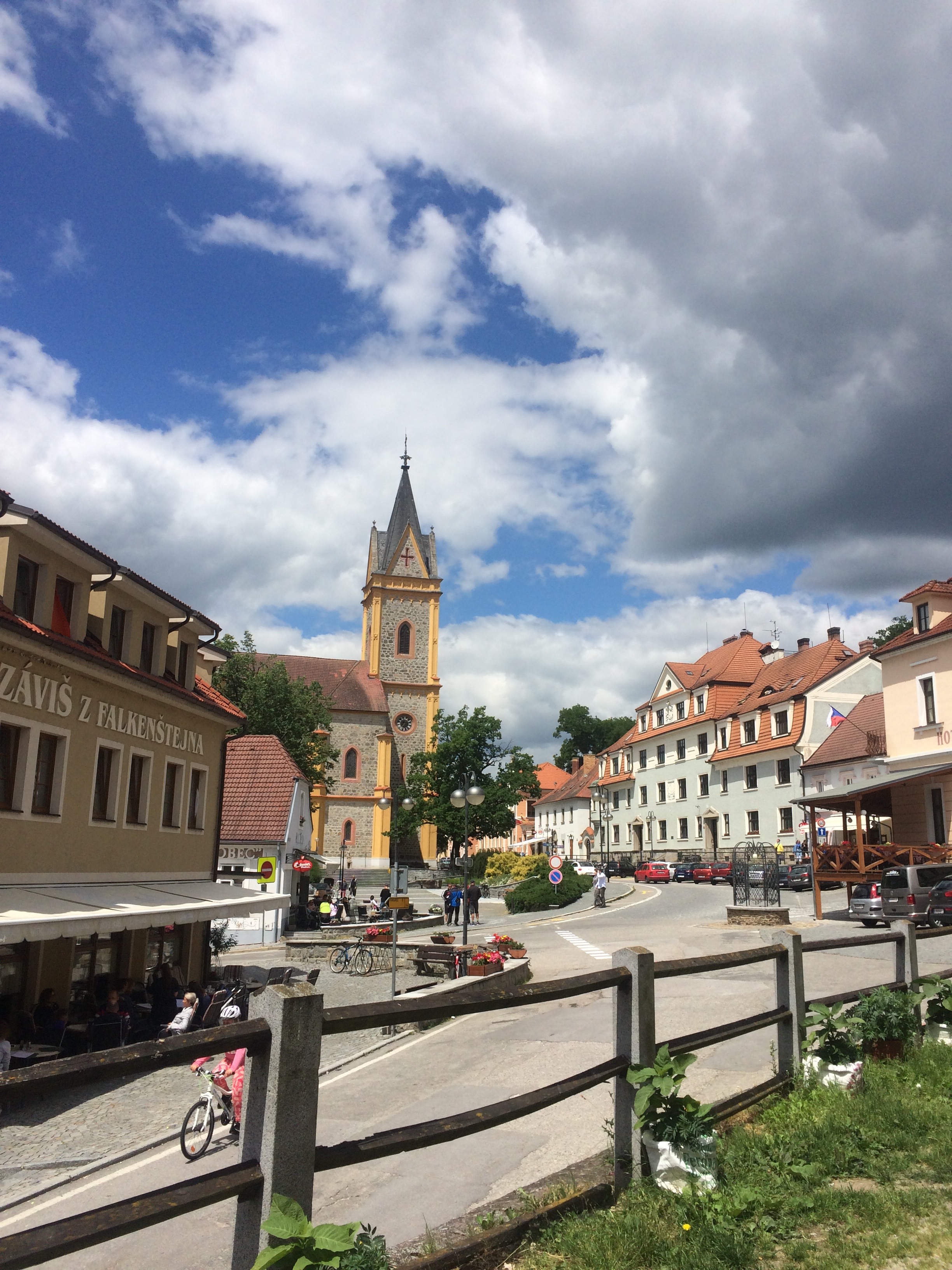

After living in the Czech Republic for a year I barely scratched the surface of this amazing country. With over 1000 castles, many UNESCO World Cultural and Heritage sites, old traditions that have survived many governments and regimes, and its central location in Europe it is a great place to really take your time and explore. Also the fact that beer is practically cheaper than water doesn’t hurt my love of this country.
 Being Page For Life